Franchise Kya Hai Aur Yeh Kaise Kaam Karti Hai? | Little Wings
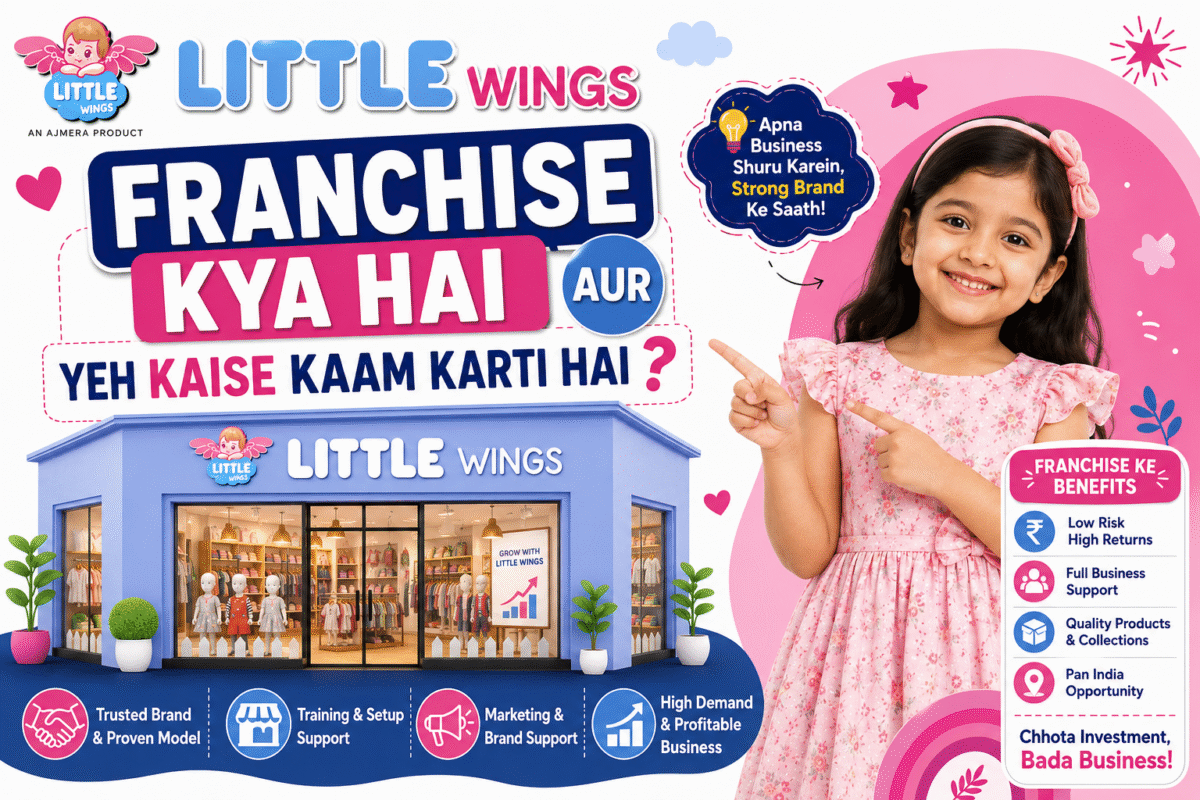
Franchise Kya Hai Aur Yeh Kaise Kaam Karti Hai?
Brand: Little Wings
Starting a business from scratch can be exciting, but it also comes with many challenges. You need to build a brand, understand your customers, create a business model, develop products or services, and establish a reliable system for daily operations. This is where the franchise business model can make a difference.
But exactly franchise kya hai aur yeh kaise kaam karti hai? A franchise is a business arrangement in which an established brand allows another person or business to operate under its brand name and follow its proven business system.
For entrepreneurs who want to start a business with an established brand rather than building everything from zero, franchising can be an interesting option. Little Wings is a brand focused on creating business opportunities in the kidswear segment through a structured franchise model.
In this guide, we will explain what a franchise is, how it works, how the franchisor and franchisee work together, what investment may be involved, and what an entrepreneur should consider before starting a franchise business.
Franchise Kya Hai?
A franchise is a business model where a brand, known as the franchisor, gives an individual or business, known as the franchisee, the right to operate a business using its established brand name, products, systems, and business processes.
In simple words, instead of creating a new brand from the beginning, the franchise owner gets the opportunity to operate a business under an existing brand.
For example, when someone takes a Little Wings franchise, they are not simply opening an independent kidswear store. They become part of a larger business system and operate according to the brand’s guidelines, product standards, store requirements, and operational processes.
The exact terms, investment, support, and commercial conditions depend on the franchise agreement between the brand and the franchise partner.
How Does a Franchise Business Work?
The franchise model generally involves two main parties:
1. Franchisor
The franchisor is the original brand or company that owns the business concept, brand identity, products, systems, and operating methods.
The franchisor generally provides things such as:
- Brand name and identity
- Product or service support
- Store guidelines
- Business processes
- Training and operational guidance
- Marketing support
- Product sourcing or supply systems
- Assistance with store setup, depending on the agreement
2. Franchisee
The franchisee is the person or business that invests in the franchise and operates the outlet.
The franchisee generally manages:
- Initial business investment
- Store operations
- Staff management
- Customer service
- Local business development
- Daily sales and expenses
- Following brand standards and operating guidelines
The relationship between both parties is normally governed by a franchise agreement, which defines responsibilities, commercial terms, duration, operational rules, and other conditions.
Why Do People Choose a Franchise Business?
One of the biggest reasons entrepreneurs consider franchising is that they do not have to build every part of the business from scratch.
A new independent business needs to develop its brand identity, product range, customer trust, marketing strategy, operating procedures, and supplier network. A franchise can provide an existing framework for many of these areas.
Some common advantages include:
Established Brand Identity
Building brand recognition can take years. A franchise gives entrepreneurs the opportunity to operate under an established brand, subject to the terms of the franchise agreement.
Structured Business Model
A franchise generally comes with defined systems and processes. This can make it easier for a new entrepreneur to understand how different parts of the business are expected to work.
Product and Supply Support
In retail franchises, product selection and sourcing are important parts of the business. A franchise brand may provide access to an established product range and supply system.
Training and Guidance
Depending on the franchise model, the franchisor may provide training and operational support to help franchise partners understand the business.
Marketing Support
Brand-level marketing can support local store marketing efforts. Franchise partners may also receive marketing materials, campaign guidance, or promotional support according to the franchise arrangement.
What Is the Role of Investment in a Franchise?
Investment is one of the first things an entrepreneur should understand before selecting a franchise.
The total investment may include several components, such as:
- Franchise or brand-related fees
- Store interiors
- Equipment and fixtures
- Initial inventory
- Technology and billing systems
- Staff and training expenses
- Rent and security deposit
- Marketing expenses
- Working capital
The actual amount can vary significantly depending on the brand, city, store size, location, category, and business model.
Therefore, entrepreneurs should not evaluate a franchise only on the basis of its initial investment. They should also understand recurring expenses, working capital requirements, expected operating costs, and the terms of the franchise agreement.
How Does a Kidswear Franchise Work?
A kidswear franchise follows the same basic franchise principle but operates within the children’s clothing market.
The franchise partner operates a retail store under the brand’s identity and sells products selected or approved according to the brand’s business model.
For a kidswear business, important factors can include:
- Product variety
- Age groups covered
- Seasonal collections
- Store location
- Pricing
- Inventory management
- Customer experience
- Visual merchandising
- Local marketing
- Repeat customers
A brand such as Little Wings can provide a structured platform for entrepreneurs interested in entering the kidswear retail segment.
However, the success of any retail franchise depends on multiple factors, including location, store management, customer demand, inventory planning, competition, and execution.
Franchise vs Starting Your Own Business
The main difference between an independent business and a franchise is the level of brand and system support.
With an independent business, the entrepreneur has greater freedom to decide the brand name, products, pricing, marketing strategy, store design, and business processes. However, they also have to build these elements themselves.
With a franchise, the entrepreneur generally works within an established framework.
| Independent Business | Franchise Business |
|---|---|
| Build your own brand | Operate under an established brand |
| Create your own systems | Follow an established business system |
| Develop your own product network | May receive product/supply support |
| Build customer trust from scratch | Benefit from existing brand recognition |
| Greater operational flexibility | Operates according to franchise guidelines |
| Independent marketing strategy | May receive brand-level marketing support |
Neither model guarantees success. The right choice depends on the entrepreneur’s budget, experience, goals, location, and willingness to follow a structured business model.
What Should You Check Before Taking a Franchise?
Choosing a franchise should be treated as a business decision, not simply as an investment opportunity.
Before signing an agreement, carefully evaluate:
Brand Reputation
Research the brand, its market presence, customer perception, and existing outlets.
Investment Requirements
Understand the complete investment instead of looking only at the franchise fee.
Location
For a retail business, location can significantly influence customer footfall and sales potential.
Product and Inventory System
Understand how products are supplied, how inventory is replenished, and what happens with slow-moving or seasonal stock.
Support
Ask what support the franchisor actually provides after the store opens.
Agreement Terms
Read the franchise agreement carefully. Understand its duration, renewal conditions, responsibilities, fees, territory rights, exit clauses, and other commercial terms.
Business Economics
Prepare realistic calculations for rent, salaries, utilities, inventory, marketing, working capital, and other expenses.
Is a Franchise a Good Business Opportunity?
A franchise can be a suitable option for entrepreneurs who want to enter a business with an established brand and structured operating system.
However, it is important to understand that a franchise does not automatically guarantee profit. Business performance depends on execution and market conditions.
The entrepreneur still needs to select the right location, manage inventory, control expenses, understand customers, maintain service quality, and actively manage the store.
For someone interested in the kidswear sector, a Little Wings franchise can be considered as one possible route to entering the organised kidswear retail market.
Frequently Asked Questions About Franchise Business
1. Franchise kya hai?
A franchise is a business arrangement where an established brand allows another person or business to operate using its brand, products, systems, and business model under agreed terms.
2. Franchise ka owner kaun hota hai?
The franchisor owns the original brand and business system, while the franchisee operates the individual franchise outlet according to the franchise agreement.
3. Franchise lene ke liye investment kitna chahiye?
Investment depends on the brand, location, store size, interiors, inventory, equipment, working capital, and other business requirements. The complete investment should be discussed directly with the franchisor.
4. Kya franchise business mein profit guaranteed hota hai?
No. A franchise does not guarantee profit. Performance depends on factors such as location, demand, management, expenses, inventory, competition, and execution.
5. Franchise aur dealership mein kya difference hai?
A franchise usually involves operating under an established brand’s business system and standards, while a dealership is generally focused more on selling or distributing products. The exact structure varies by company.
6. Kya new entrepreneur franchise le sakta hai?
Yes, many franchise models are designed for entrepreneurs who may not have previously operated the same type of business. Training and operational support may be provided depending on the brand.
7. Kidswear franchise kya hota hai?
A kidswear franchise allows an entrepreneur to operate a children’s clothing retail outlet under an established kidswear brand and follow its product, store, and operational guidelines.
8. Franchise lene se pehle kya check karna chahiye?
You should evaluate investment, location, brand reputation, product range, supply chain, support, operating expenses, agreement terms, and realistic business potential.
9. Kya franchise mein marketing support milta hai?
Marketing support depends on the franchisor and franchise agreement. Some brands provide brand-level campaigns, marketing materials, promotional guidance, or other forms of support.
10. Little Wings franchise ke baare mein information kaise milegi?
Entrepreneurs interested in the Little Wings franchise can contact the brand directly to understand the current franchise model, investment requirements, store requirements, support system, and application process.
Start Your Franchise Journey With Little Wings
Understanding franchise kya hai aur yeh kaise kaam karti hai is the first step before making a business decision. A franchise can provide an established brand, structured processes, and business support, but the franchise partner still plays an important role in the success of the outlet.
If you are interested in entering the kidswear retail business and want to explore the Little Wings franchise opportunity, connect with the team to understand the current business model and requirements.
Contact Us
Little Wings
Address: Ground Floor, Surana 101, G-1, Sahara Darwaja Ring Rd, Umarwada, Surat, Gujarat 395002
Email: info@littlewings.co
Phone: +91 9662064475
Speak with the Little Wings team to learn more about franchise opportunities, investment requirements, store setup, product range, business support, and the next steps for becoming a franchise partner.